
"Smith study"
30 article(s) found

Coffee drinkers are less likely to have diabetes.
New research shows that coffee drinkers are much less likely to develop diabetes than non-coffee drinkers. New YORK (Reuters)-Beisha of the University of California, San Diego. Smith and colleagues point out in the report that this magic effect can be found even in people who used to drink coffee. "more and more literature is clear and clear," Smith said in an interview with Reuters.
Coffee affects mood and discrimination.
Professor A. Smith of Bristol University, UK. Dr. P. Smith published his decade-long study on the effects of coffee on the brain, particularly on cognitive ability and mood. They were asked to measure discrimination and alertness 30 minutes before and after drinking coffee. Smith found that those who drank a cup of coffee became more alert and focused.
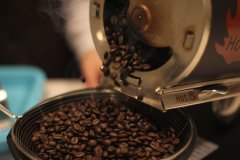
The influence of fine coffee and healthy coffee on brain nerves
Recently, Professor A. P. Smith of the University of Bristol (University of Bristol) in the United Kingdom published his ten-year talk about the imagination of coffee on the brain, especially its effect on discrimination and mood. Measure their discrimination and alertness for 30 minutes before and after drinking coffee. Smith found that after drinking a cup of coffee, they became comparators.
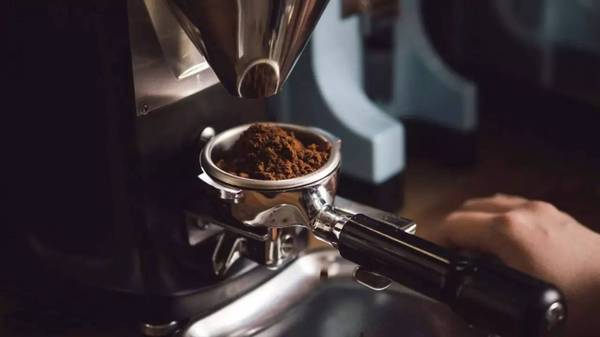
You ask me why I like to study in the coffee shop? Because it's very scientific!
"Hi! What are you doing? "" reading in the coffee shop

Coffee and prevention of radiation injury
Such as long-term computer users, home microwave ovens, televisions and so on. Especially for pregnant women, radiation has affected the health of the next generation. Reports in this area are not uncommon.
Coffee Health Coffee and Prevention of radiation injury
Radiation injury has become a prominent pollution and harm at present. Especially the radiation of household appliances: such as people who operate computers for a long time, microwave ovens, televisions at home, and so on. Especially for pregnant women, radiation has affected the health of the next generation. Reports in this area are not uncommon. Indian scientists have found that coffee can protect experimental mice from radiation.

Why doesn't the coffee smell good?
Today, we will discuss a very interesting question. Coffee drinkers are not in the minority, and have even become a must-have drink for every family. But why doesn't the coffee smell good? The taste of freshly brewed coffee is the first pick-me-up in the morning. Today, scientists claim to have found out why coffee doesn't smell good. According to the UK, every
The effect of coffee on brain nerves
Recently, Professor A.P. Smith of the University of Bristol published his decade-long study on the effects of coffee on the brain, particularly on cognitive ability and mood.
Coffee doesn't taste as mellow as it smells?
Why do we feel that it doesn't smell good when we drink coffee? Barry, a professor at University of London. The conclusion of Smith's study is that we have two senses about smell, one of which is caused by inhalation in the external environment. The other is when the smell is exhaled out through your nasal cavity. The act of swallowing coffee sends an aroma from the inside of the mouth to the nasal cavity, stimulating brain production

Common sense of coffee Why does coffee taste less mellow?
Why do we feel that it doesn't smell good when we drink coffee? Barry, a professor at University of London. The conclusion of Smith's study is that we have two senses about smell, one of which is caused by inhalation in the external environment. The other is when the smell is exhaled out through your nasal cavity. The act of swallowing coffee sends an aroma from the inside of the mouth to the nasal cavity, stimulating brain production
Why doesn't coffee taste as mellow as it smells?
Why do we feel that it doesn't smell good when we drink coffee? Barry, a professor at University of London. The conclusion of Smith's study is that we have two senses about smell, one of which is caused by inhalation in the external environment. The other is when the smell is exhaled out through your nasal cavity. The act of swallowing coffee sends an aroma from the inside of the mouth to the nasal cavity, stimulating brain production

Why doesn't the coffee taste as good as it smells?
Why do we feel that it doesn't smell good when we drink coffee? Barry, a professor at University of London. The conclusion of Smith's study is that we have two senses about smell, one of which is caused by inhalation in the external environment. The other is when the smell is exhaled out through your nasal cavity. The act of swallowing coffee sends an aroma from the inside of the mouth to the nasal cavity, stimulating brain production

Why doesn't the coffee taste as mellow as it smells?
Why do we feel that it doesn't smell good when we drink coffee? Barry, a professor at University of London. The conclusion of Smith's study is that we have two senses about smell, one of which is caused by inhalation in the external environment. The other is when the smell is exhaled out through your nasal cavity. The act of swallowing coffee sends an aroma from the inside of the mouth to the nasal cavity, stimulating brain production

Why doesn't the coffee taste as mellow as it smells?
Why do we feel that it doesn't smell good when we drink coffee? Barry, a professor at University of London. The conclusion of Smith's study is that we have two senses about smell, one of which is caused by inhalation in the external environment. The other is when the smell is exhaled out through your nasal cavity. The act of swallowing coffee sends an aroma from the inside of the mouth to the nasal cavity, stimulating brain production

Why does coffee smell good, but it doesn't taste so good?
Why do we feel that it doesn't smell good when we drink coffee? Barry, a professor at University of London. The conclusion of Smith's study is that we have two senses about smell, one of which is caused by inhalation in the external environment. The other is when the smell is exhaled out through your nasal cavity. The act of swallowing coffee sends an aroma from the inside of the mouth to the nasal cavity, stimulating the brain
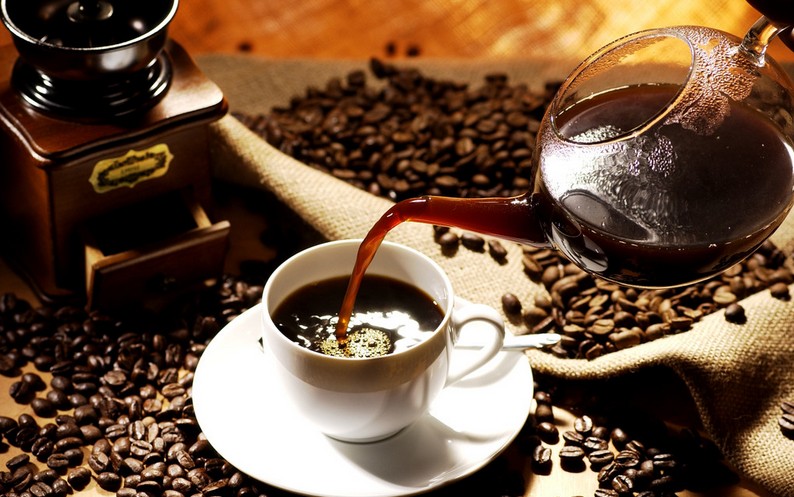
Key points of world coffee knowledge: why doesn't coffee taste as mellow as it smells?
Why do we feel that it doesn't smell good when we drink coffee? Barry, a professor at University of London. The conclusion of Smith's study is that we have two senses about smell, one of which is caused by inhalation in the external environment. The other is when the smell is exhaled out through your nasal cavity. The act of swallowing coffee sends an aroma from the inside of the mouth to the nasal cavity, stimulating brain production

Coffee and healthy coffee are recognized as healthy drinks.
Coffee is recognized as a healthy drink, but drinking coffee must be reasonable and scientific in order to be beneficial to health. When it comes to coffee, people will think of caffeine. Caffeine is a softer stimulant in coffee, which can improve the body's sensitivity, attention, metabolism, mental state and physical fitness. At present,

Why does coffee smell good but taste bad?
Why do we drink coffee without smelling good? Professor Barry Barrett of the University of London Smith concluded that we have two senses of smell, one from inhaling in our external environment. The other time is when the smell is exhaled through your nasal passages. The act of swallowing coffee sends a whiff of aroma from inside the mouth to the nasal passages, stimulating the brain.

Drinking three cups of coffee a day helps reduce the risk of Alzheimer's disease
According to the Daily Mail of November 27, drinking three to five cups of coffee a day can help reduce the risk of Alzheimer's disease. But some experts say there is no concrete evidence to support this conclusion. Many people start their day with an espresso, and recent studies have shown that drinking coffee can also prevent Alzheimer's. Some scientists say that three times a day
Coffee Defense War to find Super genes to Save Coffee
In March, about 20 people, including the world's top coffee researchers, gathered at the Centre for Tropical Agricultural Research and higher Education (CATIE) in Turialva, Costa Rica, to discuss the uncertain future of coffee, the world's most popular beverage crop, in Central America. The theme of the seminar was a very harmful agricultural disease: coffee rust in local Spanish.